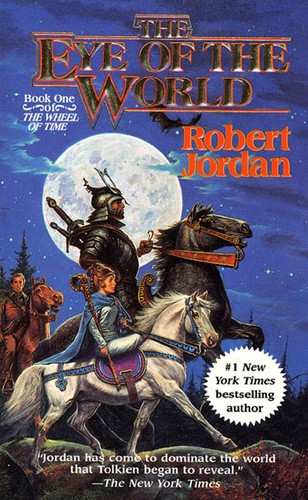
Authors
Randall Munroe
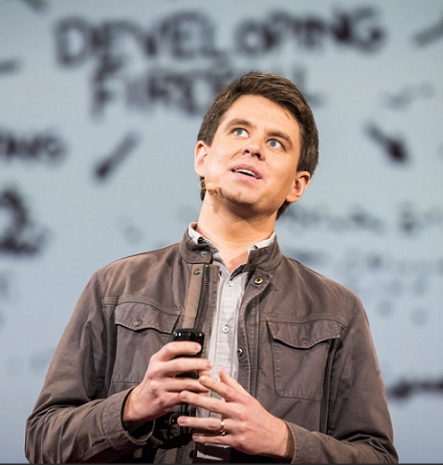
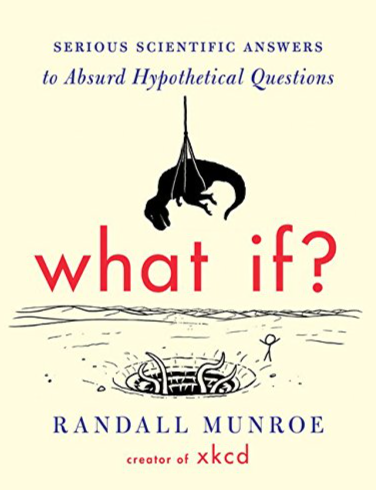
Randall Munroe, once a NASA physicist, is the creator of the webcomic xkcd and has built a writing career around making science playful and approachable. His first book, What If?, takes bizarre hypothetical questions—like “What would happen if you tried to hit a baseball pitched at the speed of light?”—and answers them with rigorous scientific reasoning, blending humor with physics and engineering. He followed this with Thing Explainer, a book that describes complicated ideas such as nuclear reactors or the International Space Station using only the 1,000 most common English words, showing how simplicity can make science accessible. Later, How To offered unconventional, often impractical scientific solutions to everyday problems, like landing a plane or digging a hole, turning problem-solving into a mix of comedy and insight. Most recently, What If? 2 continues the tradition of exploring wild scenarios with careful analysis and wit. Across all his works, Munroe's style combines stick-figure humor, clear explanations, and a deep respect for curiosity, making him one of the most distinctive voices in popular science writing.
Randall Munroe, a former NASA roboticist, became widely known through his webcomic xkcd. He later authored What If?, How To, and Thing Explainer, making science accessible with humor.
Christopher Paolini
Christopher Paolini, born in 1983, rose to fame as a teenager with Eragon, the first book in The Inheritance Cycle. The series continued with Eldest, Brisingr, and Inheritance, following Eragon's journey from farm boy to dragon rider in a sweeping battle against tyranny. Later, Paolini revisited this world with The Fork, the Witch, and the Worm (2018) and Murtagh (2023), which explores one of the saga's most conflicted characters. Beyond fantasy, he ventured into science fiction with To Sleep in a Sea of Stars (2020), a massive novel about alien technology and humanity's place in the universe. His career shows both early talent and versatility, moving between epic fantasy and expansive sci-fi while keeping immersive storytelling at the core.
Christopher Paolini burst onto the fantasy scene as a teenager with Eragon. He later expanded the Inheritance Cycle and branched into science fiction with To Sleep in a Sea of Stars.

BRANDON SANDERSON
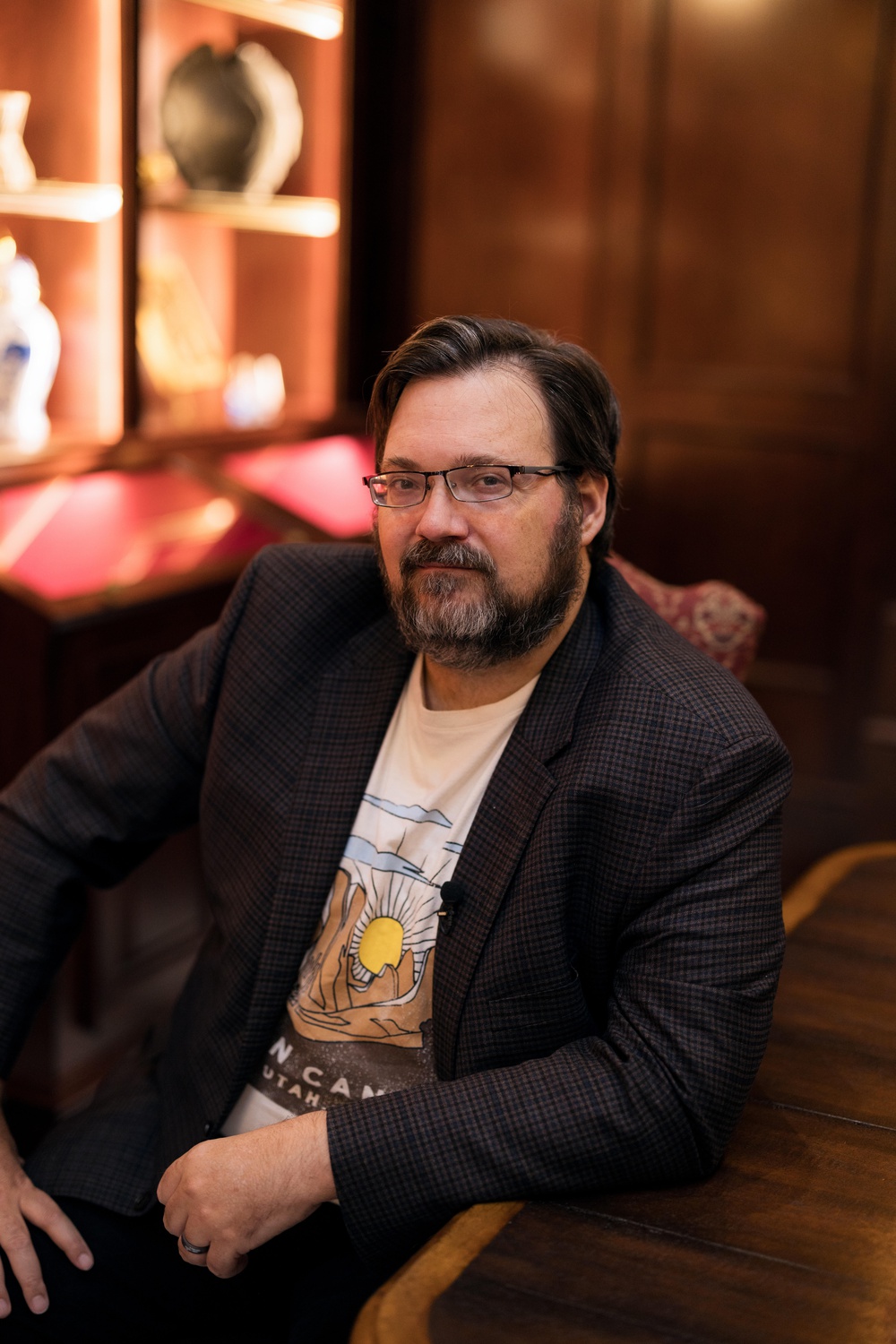
Brandon Sanderson, born in 1975, is one of the most influential fantasy authors today, known
for his inventive magic systems and expansive world-building. His debut Elantris (2005)
introduced his style, but it was the Mistborn trilogy—with its unique metal-based powers and
rebellion against a tyrant—that established his reputation. He later launched The Stormlight
Archive, a planned ten-book epic within his shared Cosmere universe, beginning with The Way
of Kings (2010), which explores themes of leadership, trauma, and redemption in a richly
detailed world.
Beyond the Cosmere, Sanderson has written young adult and middle-grade works such as The
Reckoners trilogy, imagining a world ruled by corrupt superheroes, and the Skyward series, a
science fiction saga about a young pilot fighting to protect humanity. He was also chosen to
complete Robert Jordan's Wheel of Time series, finishing the final three volumes and
bringing the saga to a praised conclusion with A Memory of Light (2013). Known for his
extraordinary productivity, Sanderson has sold millions of books worldwide and even raised
over $40 million through a record-breaking Kickstarter campaign, cementing his place as a
defining voice in modern fantasy.
Brandon Sanderson debuted in 2005 with Elantris and became known for inventive magic systems. He went on to create Mistborn and The Stormlight Archive, anchoring his interconnected Cosmere universe.

John Flanagan

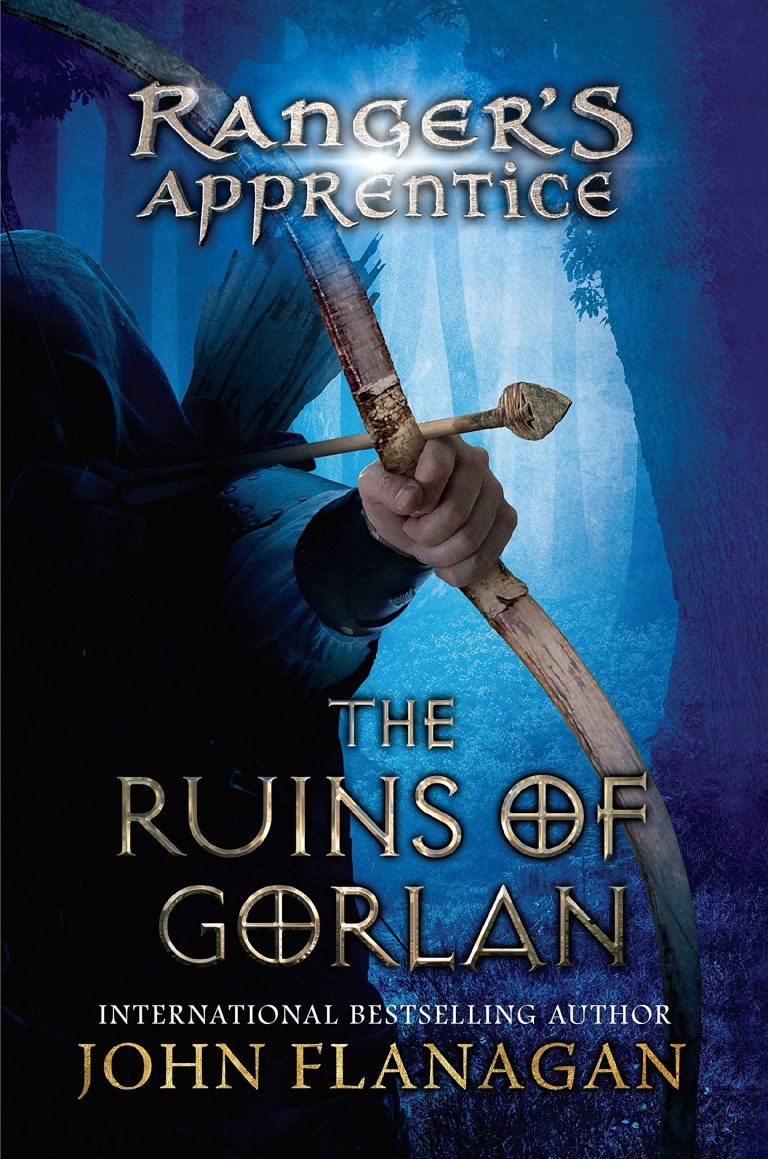
John Flanagan, born in 1944 in Sydney, began his career in advertising and television before
turning to fiction. His writing journey started when he created short stories to encourage
his son to read—those stories eventually became The Ruins of Gorlan (2004), the first book
in the Ranger's Apprentice series. The series follows Will, a small and seemingly
unremarkable boy who becomes an apprentice to the mysterious Rangers, learning stealth,
archery, and leadership while facing threats from invading armies and dark sorcery. Over
time, the saga grew to encompass multiple arcs, including The Early Years prequels and The
Royal Ranger spin-offs, which continue the story with new characters like Maddie, the first
female Ranger.
Flanagan also launched the Brotherband Chronicles (2011), set in the same world but focused
on Skandia, a Viking-inspired society. These books follow Hal and his crew as they prove
themselves through daring quests and naval adventures, expanding the scope of Flanagan's
universe while maintaining
John Flanagan gained international fame with Ranger's Apprentice. He expanded the world with The Brotherband Chronicles, cementing his reputation in young adult fantasy.
Arnold Munk
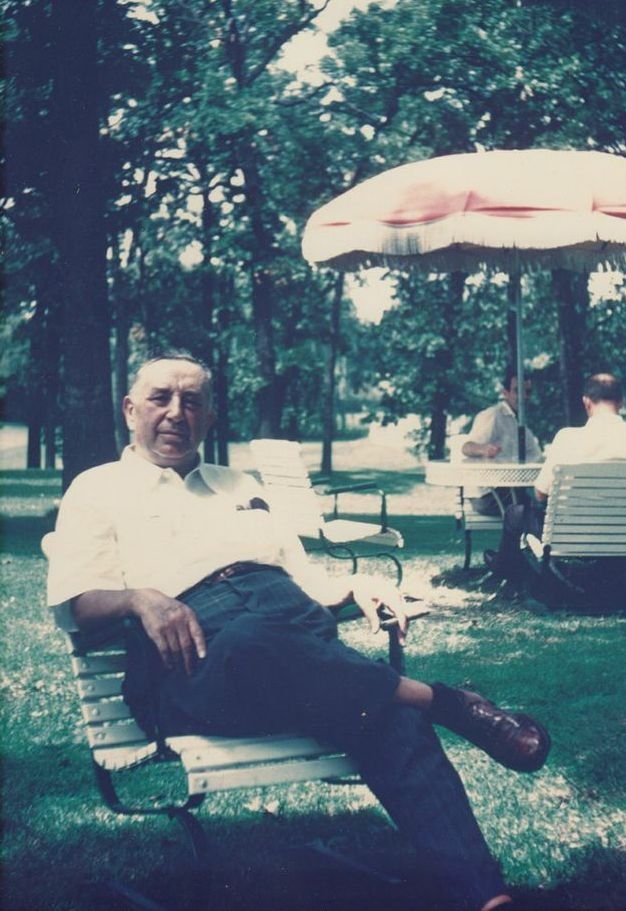
Arnold Munk, born in Hungary in the late 19th century, moved to Chicago as a child and later
settled in New York, where he ran the publishing firm Platt & Munk. Under the pseudonym
Watty Piper, he both authored and edited children's books, but his most enduring legacy is
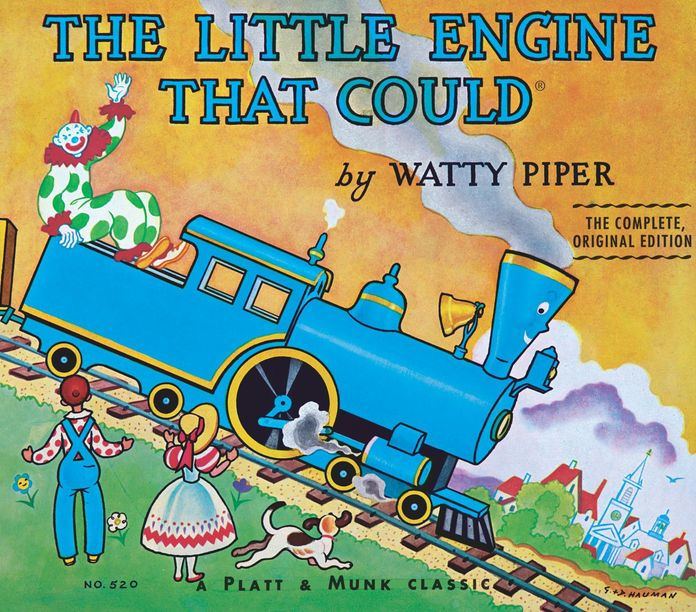
The Little Engine That Could, first published in 1930. The story of the small blue engine
that succeeds in pulling a heavy train over a mountain by repeating the mantra “I think I
can” became a cultural touchstone, teaching generations of children about perseverance,
optimism, and determination.
Beyond the original tale, The Little Engine That Could has been reissued in countless
editions, often with new illustrations, and expanded into themed spin-offs such as holiday
stories and regional “road trip” books. Piper's work as editor also helped shape many other
children's titles published by Platt & Munk, though his name is most closely tied to the
iconic engine.
Watty Piper's career demonstrates how a simple, uplifting story can transcend its era,
becoming both a bedtime classic and a motivational parable. Even decades after its first
publication, the book continues to inspire readers young and old, securing Piper's place in
children's literature history.
Watty Piper was the pen name of Arnold Munk, best known for The Little Engine That Could. His story's mantra, “I think I can,” became a lasting symbol of perseverance in children's literature.
Robert Jorden
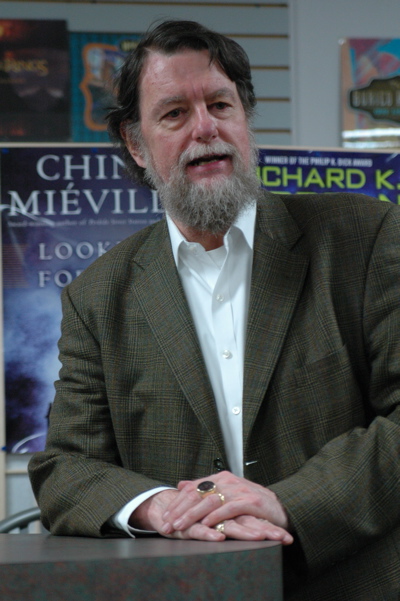
Born James Oliver Rigney Jr. in 1948, Jordan began his career writing historical fiction and Conan novels before embarking on his magnum opus. The Wheel of Time series, starting with The Eye of the World (1990), spans fourteen volumes and is renowned for its vast world-building, intricate magic system, and sprawling cast of characters. The story follows Rand al"Thor, a young man destined to face the Dark One, alongside companions whose journeys explore themes of destiny, power, and sacrifice. Jordan's ability to weave together multiple plotlines and cultures created a richly layered universe that captivated millions of readers worldwide. Though Jordan passed away in 2007 before completing the series, he left extensive notes that allowed fellow fantasy author Brandon Sanderson to finish the final three volumes, culminating in A Memory of Light (2013). Beyond The Wheel of Time, Jordan also wrote historical fiction under the pseudonym Reagan O'Neal and contributed to the Conan the Barbarian franchise. Jordan's legacy lies in his ability to blend epic scope with human struggles, inspiring generations of fantasy writers and readers. His work remains a cornerstone of the genre, often compared to Tolkien in its ambition and influence, and continues to thrive through adaptations such as the recent television series.
Robert Jordan became a landmark figure in fantasy with The Wheel of Time, a fourteen-book saga. His blend of intricate worldbuilding and mythic storytelling left a lasting influence on the genre.